For decades, the way books are printed hasn’t really changed much. Big printing machines, bulk orders, and warehouses full of stock have been the norm. But with technology moving fast, 3D printing has started to spark new conversations. What if textbook printing could move beyond standard pages and become something far more interactive and customized? That idea is no longer just science fiction-it’s slowly edging closer to reality.
Why 3D Printing Could Matter
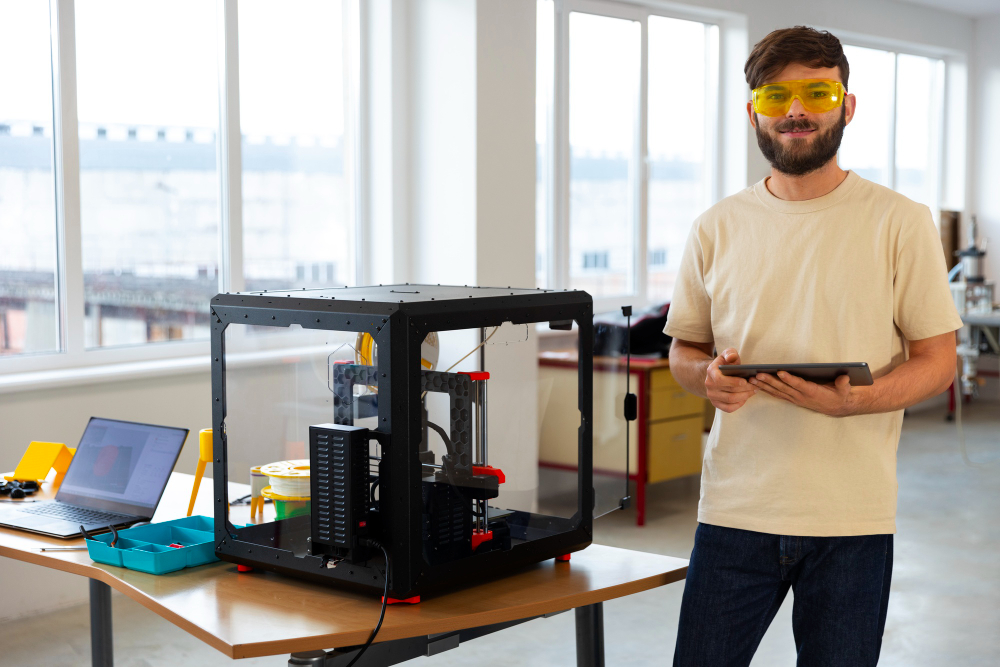
The core strength of 3D printing is flexibility. Unlike traditional methods, it allows for small, personalized runs instead of massive one-size-fits-all batches. Imagine a biology book that doesn’t just show diagrams, but actually includes 3D-printed cell structures a student can touch. For companies already involved in book printing China, this shift could open up a whole new side of the business.
Here’s what this could mean for the publishing industry:
- Smaller print runs tailored to specific classrooms or courses
- Less reliance on outdated editions that end up unused
- Opportunities to add interactive elements to keep students engaged
Personalization in Education
Every school has slightly different needs, and teachers often wish their books matched their exact curriculum. 3D printing offers that chance. Instead of waiting for large publishers to roll out updates, schools might get more control over what goes into their textbooks. Textbook printing in the future could look like limited runs with region-specific examples, local language inserts, or even detachable 3D models for lessons.
- Students learn with content tailored to them
- Teachers get resources that fit their syllabus more closely
- Learning materials become more engaging and memorable
Cost and Sustainability
One of the major downsides of mass printing is waste. New editions replace old ones quickly, leaving piles of books unused. With 3D printing, the focus shifts to “print what’s needed, when it’s needed.” For large-scale industries like book printing China, this idea is appealing-it saves money, reduces waste, and makes printing more sustainable in the long run.
Beyond Just Text
The beauty of combining textbooks with 3D printing lies in creating interactive experiences. Think of a history book that includes replicas of artifacts, or a math book that comes with shapes students can pull out and explore. This moves textbook printing beyond flat pages and gives learners a more hands-on way of absorbing information.
- 3D models could make abstract concepts easier to understand
- Books would become more than just reading material-they’d be learning tools
- Students could actively interact with the subject matter
What the Future Might Look Like
Traditional offset printing will still dominate for large volumes- it’s fast and cost-effective. But the real potential lies in a blended model, where conventional printing handles the big jobs while 3D printing adds customization and interactivity. Forward-looking businesses in book printing China are already paying attention to how this could change the future of publishing.
Wrapping Up
3D printing isn’t about replacing books- it’s about making them smarter, more interactive, and more relevant for learners. The journey has just begun, but the possibilities are exciting for students, educators, and publishers alike.
Curious about how the future of textbook printing might unfold? Chinabookprinter is here to explore these innovations with you.