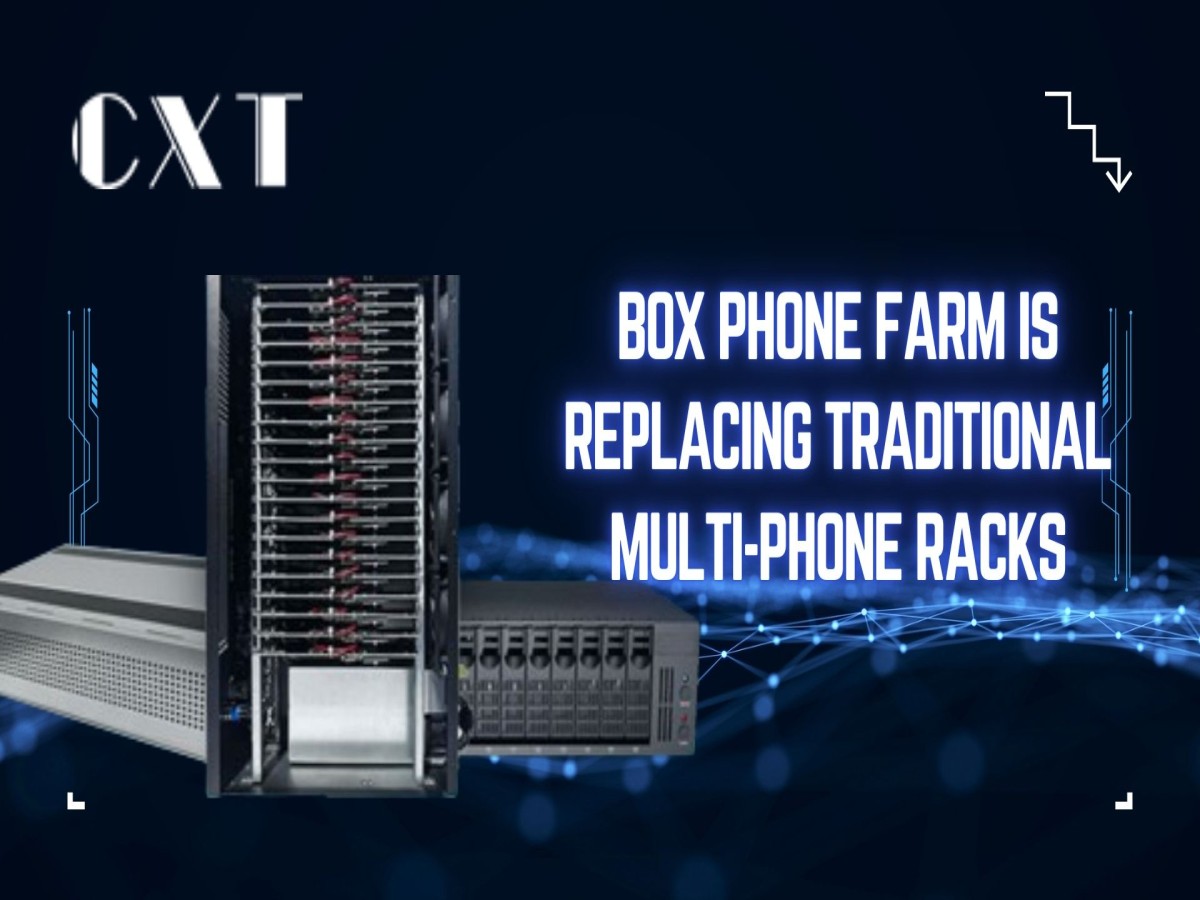
Managing large numbers of mobile devices has changed significantly over the past few years. As workloads grow and testing becomes more complex, many teams now move away from open racks and choose a box phone farm instead. This shift is not about trends. It is about stability, control, and long-term efficiency. A modern Mobile Phone Farm needs a structure that traditional racks can no longer provide.
Problems With Traditional Phone Racks
Open phone racks were once common, but they struggle to support large-scale operations. Devices remain exposed, cables overlap, and power delivery often becomes inconsistent. As more phones enter the setup, small issues turn into daily problems.
Common challenges include:
- Cable clutter that slows down troubleshooting
- Uneven power supply across devices
- Heat buildup due to poor airflow
- Frequent device failures during extended runs
These issues increase downtime and maintenance effort, which pushes teams to rethink how they build a Mobile Phone Farm.
How a Box Phone Farm Solves These Issues
- Enclosed structure
A box phone farm replaces open layouts with an enclosed design. Each device stays fixed in place, which reduces accidental movement and cable strain. A cleaner layout makes monitoring easier and keeps daily operations organized. Improved airflow inside the enclosure helps control heat during long sessions.
Key advantages include:
- Organized internal layout
- Better airflow management
- Reduced exposure to dust and physical damage
- Centralized management
A phone box farm allows teams to control all devices from one PC. This centralized setup simplifies monitoring and reduces manual handling. Faster visibility into device status helps teams respond quickly when something goes wrong.
Main benefits include:
- One PC control for multiple devices
- Faster monitoring and response
- More predictable performance
Difference Between a Controlled Mobile Phone Farm and a Bot Farm
Many people confuse a structured Mobile Phone Farm with a bot farm, but the difference is important. A controlled setup exists for testing and development purposes. Teams design it to support repeatable workflows, accurate results, and responsible use. Stable device identity and consistent behavior matter in these environments.
A bot farm often lacks this structure and clarity of purpose. Controlled systems focus on testing, research, and automation workflows rather than uncontrolled activity. This distinction explains why enclosed systems gained trust in professional environments.
Key differences include:
- Purpose-driven testing and development
- Compliance-focused operation
- Stable and consistent device behavior
Why Teams Move to Phone Box Farm Designs
A phone box farm offers clear practical benefits over traditional racks. Enclosed systems save space by fitting more devices into smaller areas. Strong frames protect boards during long-term use. Maintenance becomes easier because components remain organized and accessible.
Teams switch to these designs because they offer:
- Better use of limited space
- Higher durability during daily operation
- Lower long-term maintenance costs
For any growing Mobile Phone Farm, these advantages reduce risk and improve reliability.
Conclusion
A box phone farm provides the structure that modern multi-device operations demand. By replacing open racks with enclosed systems, teams gain better airflow, cleaner layouts, and centralized control. A phone box farm from CXT Factory supports stability, efficiency, and scalability, making it a practical choice for anyone managing a serious Mobile Phone Farm today.