Rug layering sounds a little extra at first. Like, why put a rug on top of another rug? But once you see it done well in a real space, it just makes sense. It adds depth, warmth, and that “this room has a personality” feeling that’s genuinely hard to achieve any other way. And the whole thing only works if you start with the right foundation – which means picking an extra-large rug as your base before anything else even enters the conversation.
Why Size Is the First Decision You Need to Make
Here’s where most people go wrong. They pick a rug they love, bring it home, and realize it looks like a small mat floating in the middle of the room. When you’re layering, this mistake gets worse because your top rug then sits on something that was already too small to begin with.
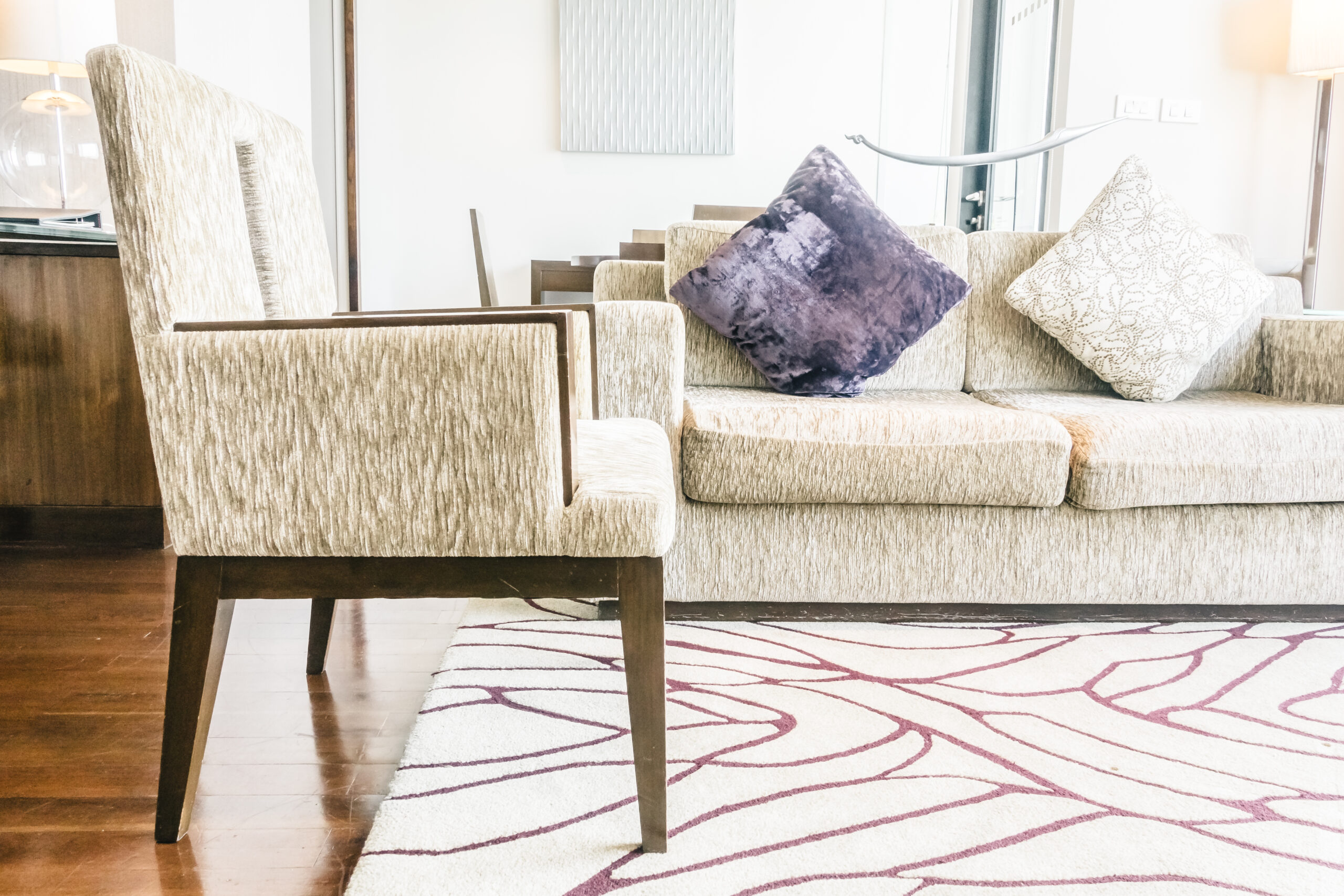
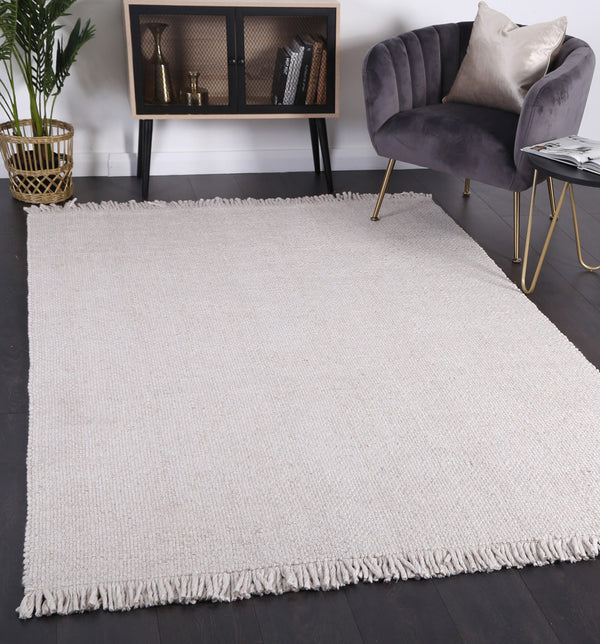
Extra-large rugs are the move here – not because bigger is always better, but because a proper base rug should reach well under the furniture and define the full zone of the space. Think of it less like a decorative piece and more like the actual floor of the room. Once you nail that, everything else – the furniture, the layered rug on top, the whole composition – starts to look grounded and intentional rather than thrown together.
A good test: if all four legs of your sofa and chairs aren’t at least touching the edge of the rug, it’s probably too small to layer over. Sizing up to a genuinely extra-large rug often feels like a risk, but almost everyone who does it says they wish they’d gone bigger sooner.
How to Actually Layer Without It Looking Chaotic
There’s a version of rug layering that looks amazing and a version that looks like two rugs were dropped on the floor and nobody cared. The difference usually comes down to a few small decisions:
- Go neutral on the base – busy patterns fight each other; let your base rug be the quiet one
- Mix the textures deliberately – a flat jute or sisal under a soft patterned rug feels collected, not cluttered
- Don’t center everything perfectly – slight asymmetry in the top rug placement makes the whole thing feel more natural and less staged
- Leave visible base on all sides – at least 10 inches of your base rug should show around the top layer, otherwise it just looks like a rug with a weird border
Using large rugs as the foundation actually gives you flexibility here. You’re not cramming a smaller piece onto an already-tight surface – there’s genuine room for the layering to breathe and look intentional.
Playing With Pattern and Texture
This is genuinely the most enjoyable part. A chunky natural fiber base with a faded vintage rug layered on top? That combination barely ever goes wrong. The rough against the soft, the neutral against the worn color – it creates contrast that reads as deliberate and considered.
Where people run into trouble is trying to match too closely. If both rugs are similar in texture and color, the layering effect disappears entirely and you’re left with something that just looks a bit odd. Go for contrast in texture, keep some harmony in color, and you’re mostly there.
Extra-large rugs in natural materials – jute, seagrass, flatweave cotton – are honestly ideal for base layers. They’re understated enough to not compete, and the texture contrast with a softer or more patterned top rug tends to pop really nicely.
Some Practical Wins That Don’t Get Talked About Enough
Layering isn’t just an aesthetic thing either. There are some real, everyday benefits that make it worth considering beyond just how it looks:
- Double layers mean noticeably more cushioning underfoot – especially in rooms where you stand for longer stretches
- Your base rug absorbs most of the foot traffic wear, protecting whatever’s layered on top from getting beaten up too quickly
- Swapping out the top rug seasonally is easy – no moving heavy furniture, no full room overhaul needed
Large rugs used as a base also tend to hold up longer overall, since the top layer shields the center from constant direct wear and the edges stay cleaner too.