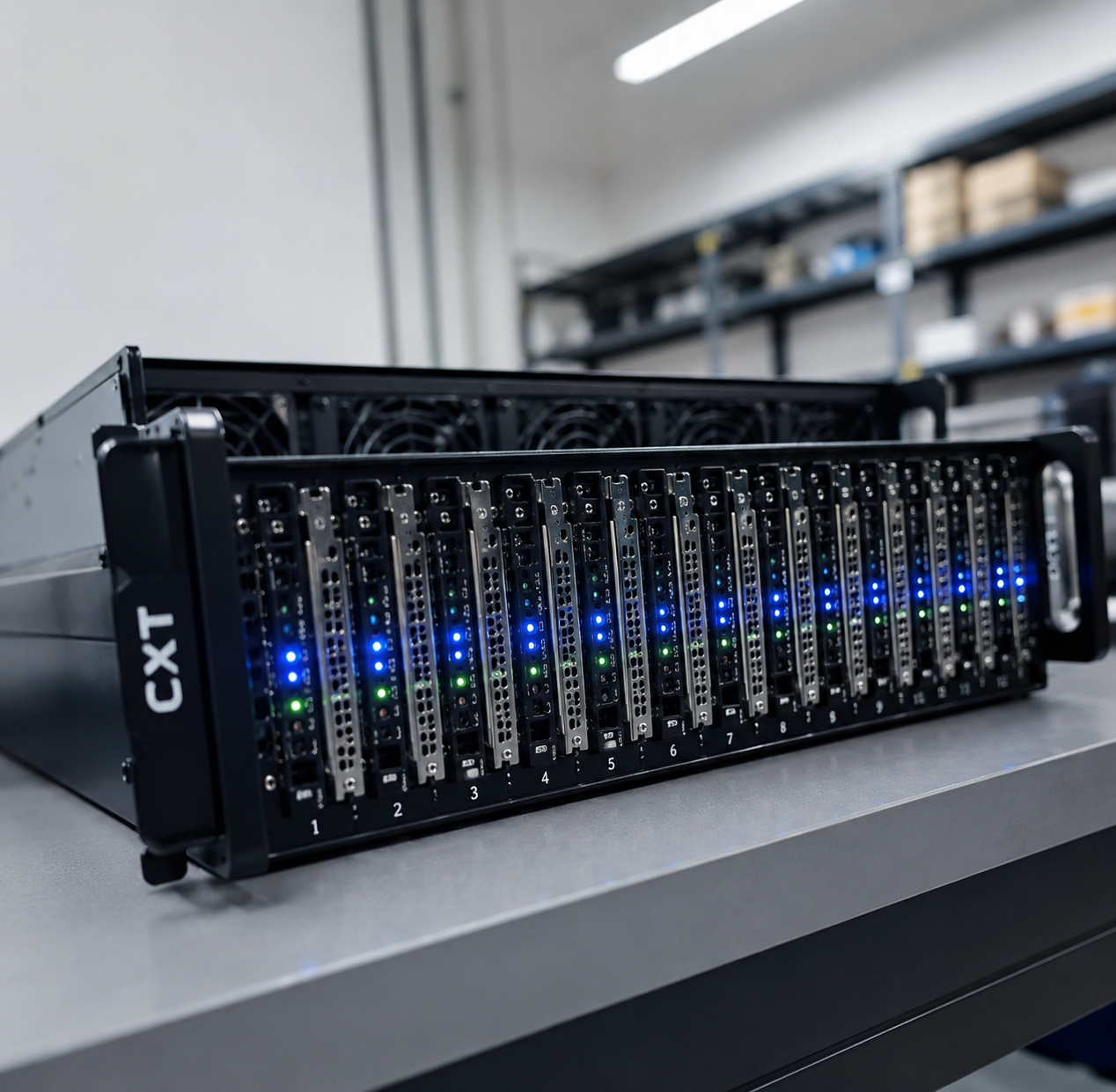
There’s a quiet but noticeable shift happening in the tech and business world. More companies – from digital marketing agencies to app developers – are pouring real money into multi-device mobile setups. And honestly, once you understand what they’re getting in return, it starts making a lot of sense.
At the core of this trend is the phone farm system, which is basically a network of multiple smartphones running simultaneously to perform automated tasks at scale.
The Business Case Is Stronger Than Ever
Let’s be real – manually testing an app on one device, or running a single social account from one phone, just doesn’t cut it anymore. Businesses need volume, speed, and consistency. A well-structured mobile phone farm gives them exactly that.
Some of the most common use cases include:
- App testing across multiple OS versions and screen sizes – catching bugs before real users do
- Ad verification – checking how ads actually appear in different locations and on different devices
- Automation of repetitive mobile tasks – freeing up human time for more strategic work
Scalability without the Headaches
One of the biggest reasons companies are leaning into this technology is scalability. You can start with a handful of devices and grow your setup as your needs expand. The infrastructure around these systems has also matured significantly. Hardware like the mobile phone motherboard box has made it far easier to stack, power, and manage dozens of devices in a compact, organized way – without turning your office into a tangled mess of cables and chargers.
This kind of modular approach means businesses aren’t locked into one fixed setup. They adapt as they grow, and that flexibility alone is worth a lot in fast-moving industries where requirements shift constantly and downtime is simply not an option.
Cost Efficiency over Time
Hiring teams to manually perform mobile-based tasks is expensive. And outsourcing has its own risks – quality control, communication gaps, time zones. A phone farm system removes a lot of that friction. Yes, the upfront cost exists, but the long-term ROI tends to be strong, especially for businesses running high-volume operations.
Think about it – once the system is running, it works around the clock without sick days or overtime pay.
Who’s Actually Using These Systems?
It’s not just tech giants. Mid-size companies in e-commerce, fintech, and even content creation are building out their own setups. Growth marketers use a mobile phone farm to manage multi-account strategies. QA teams rely on them for thorough device coverage. Security researchers use them to analyze mobile threats in controlled environments.
The range of applications is genuinely wide.