Short-term projects don’t leave much room for over-planning. On sites like construction zones, pop-up events, temporary food counters, or seasonal setups, the goal is usually to get in, get the work done, and move on. Permanent plumbing rarely fits that mindset. Still, hand hygiene can’t be skipped. This is where a mobile hand wash station starts to make sense. It gives teams a usable setup without tearing up floors or walls. The real debate isn’t about convenience – it’s whether the cost actually makes sense for a project that won’t last long.
Upfront Costs vs. Installation Headaches
Permanent plumbing sounds solid until you start adding up the real expenses. Pipes, permits, labor, downtime, and eventual removal can push costs higher than expected. Mobile hand wash stations skip most of that.
Instead of weeks of prep, you’re looking at a solution that usually arrives ready to use. For short-term projects, this matters more than people think.
Some common cost advantages include:
- No digging, pipe fitting, or structural changes
- Minimal setup time, often within hours
- No restoration costs once the project ends
When timelines are tight, avoiding installation delays alone can justify the choice.
Operating Costs You Might Not Expect
People often focus only on rental or purchase price, but daily use matters just as much. Water refills, soap, and waste management are predictable and easy to budget for. There’s no surprise repair bill for hidden pipe damage or leaks.
Compared to a fixed sink that stays long after the project ends, a mobile hand wash station keeps costs tied closely to actual usage. Once the job wraps up, so do the expenses. That flexibility is a big reason project managers lean toward mobile options.
Simple Ways to Handle Hand-washing on Temporary Sites
Even short projects need a basic hand-washing setup. Inspectors usually aren’t looking for anything complicated, just something that works and is easy to use.
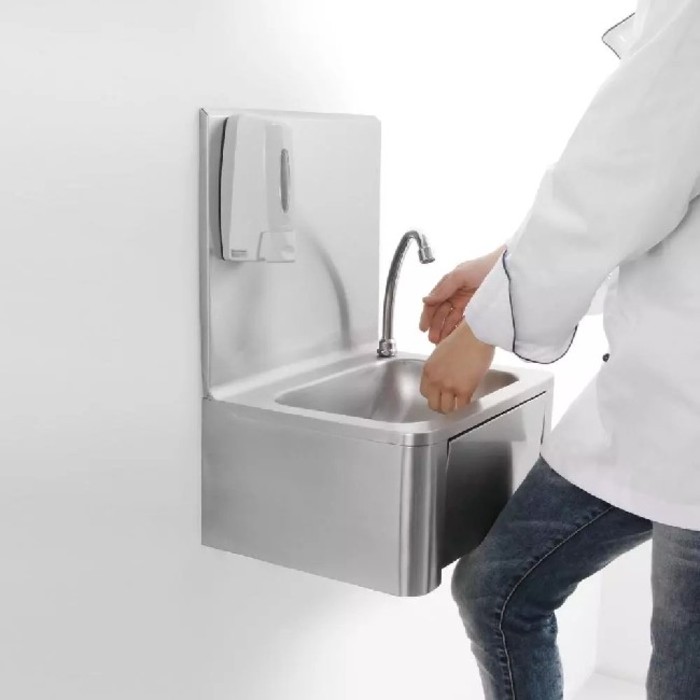
A foot pedal sink is often chosen because it’s simple and familiar. Users don’t have to touch taps, which helps keep things cleaner during the day. It also holds up well in outdoor or rough site conditions.
In busier areas, some teams prefer a knee operated hand wash sink. It’s easier to use when hands are full or gloves are on, and it still avoids direct contact with controls. Both options meet hygiene needs without pushing projects toward permanent plumbing.
When Mobility Actually Saves Money
Mobility isn’t just about moving equipment around. It’s about adapting to changes without paying twice. If a site layout shifts or an event area expands, the station moves with you.
This flexibility helps in situations like:
- Multi-phase construction projects
- Traveling events or exhibitions
- Temporary work zones that change weekly
Instead of installing multiple sinks, one mobile hand wash station can be repositioned as needed, cutting duplication costs.
Situations Where It May Not Be the Best Fit
Being honest, mobile hand wash stations aren’t perfect for everything. Long-term operations with heavy daily traffic might find permanent plumbing more economical over time. If a site runs for years, the cost balance shifts.
However, for projects measured in days or months, mobile units usually win on both cost and convenience.