Scaling mobile operations looks simple at first. Add more devices, run more tasks, and increase output. But in reality, growth without structure often leads to instability. Many teams try to replicate a Chinese phone farm setup quickly, expecting similar results. What they miss is the discipline behind those systems. Phone farm automation only works well when the hardware, layout, and control methods evolve together.
A phone farm is not just about numbers. It is about consistency. Without that, automation becomes unreliable and harder to manage as scale increases.
Where Rapid Scaling Starts to Break Down
Teams often rush into expansion because early results look promising. A small phone farm runs smoothly, so it feels safe to multiply devices. But once the setup grows, hidden problems begin to surface.
- Power load increases without proper distribution planning
- Device behavior becomes inconsistent across the phone farm
- Firmware differences create automation conflicts
- Monitoring becomes difficult as device count rises
Many Chinese phone farm environments succeed because they follow strict hardware structure. When teams try to copy the scale without understanding the system, they end up with unstable results. Phone farm automation suffers because the foundation is not strong enough.
The biggest issue is not the number of devices. It is the lack of control. Without structured expansion, each new addition increases complexity instead of efficiency.
What Makes Phone Farm Automation Work at Scale
Reliable phone farm automation depends on repeatable systems. Every device should behave the same way, and every expansion step should follow a clear pattern.
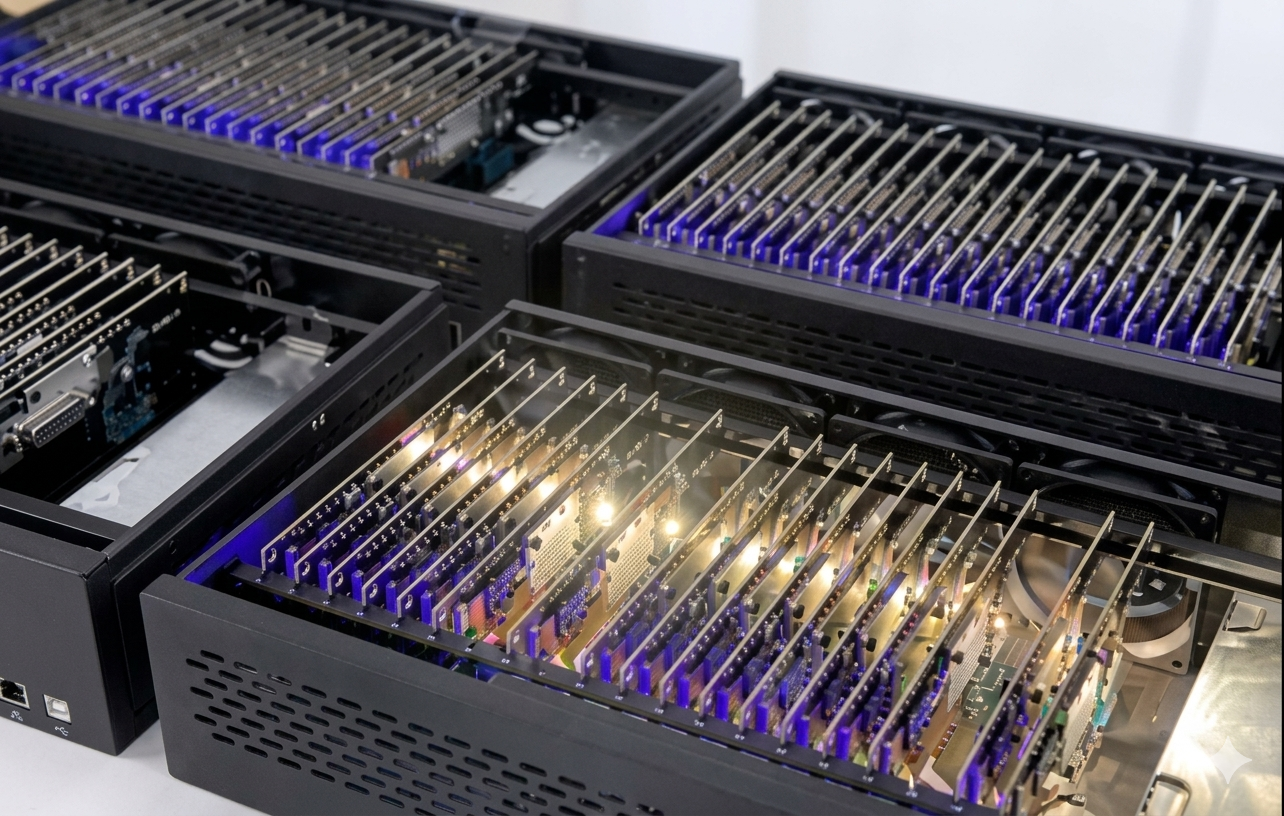
- Standardized layouts keep every device in a fixed position
- Consistent firmware ensures uniform behavior across the phone farm
- Balanced power delivery prevents random shutdowns
- Centralized control allows real time monitoring and quick response
A well structured phone farm does not require constant manual adjustment. Devices stay stable, and automation workflows run without interruption. This is the key difference between a controlled setup and an improvised one.
Chinese phone farm systems highlight how hardware design supports automation, but success comes from adapting those principles carefully. Teams must align structure with their own workflows rather than copying layouts blindly.
At https://www.cxtfactory.com, we approach phone farm automation with this mindset. We focus on building systems that maintain stability as operations grow, rather than chasing scale without control.
Why Structure Matters More Than Speed
Speed attracts attention, but structure delivers results. A fast growing phone farm that lacks organization will eventually slow down due to errors and maintenance issues. In contrast, a structured system grows steadily while maintaining performance.
Phone farm automation becomes predictable when devices operate under the same conditions. This predictability reduces debugging time and improves overall efficiency. Teams spend less time fixing problems and more time analyzing results.
The lesson is simple. Scaling works best when every step follows a defined process. Structure protects performance, while uncontrolled growth weakens it.
Conclusion
Phone farm automation succeeds when teams prioritize stability over speed. While the Chinese phone farm model shows what large scale systems can achieve, real success comes from disciplined design and controlled expansion. A well organized phone farm delivers consistent results, supports long term growth, and avoids the failures that come with rushed scaling.